
Resentment and Burnout: What Your Feelings Are Telling You
Burnout, Resentment, Personal Growth
Resentment Isn't the Problem. It's Trying to Tell You Something.
If your life were a movie, resentment would be the character everyone misjudges. It shows up late, arms crossed, bad attitude, stealing focus from the scene. So you try to cut it out. Hide it. Power through. But what if resentment isn’t the villain? What if it’s the one character brave enough to yell, “This script isn’t working anymore”?
What Cait Donovan Taught Me About Resentment and Burnout
When I sat down with burnout expert Cait Donovan on the Direct Your Life Podcast, we didn’t start with exhaustion, or overwhelm, or even stress. We started with resentment. That low, simmering “I’m doing too much for everyone and not enough for myself” feeling that creeps into your days like background noise you’ve learned to tune out.
Cait’s core insight is simple and sharp: resentment is not the problem; it’s a signal. It’s what shows up when your values, needs, boundaries, and priorities are out of alignment with how you’re actually living. It’s your inner director stepping onto the set, waving the script, saying, “This isn’t the story we agreed to shoot.”
💡 Want to hear the full conversation with Cait?
Burnout expert Cait Donovan joined me to explore why high achievers ignore warning signs, how to recognize the mismatches draining their energy, and what it takes to reclaim their direction.
Watch or listen to our full conversation → DirectYourLifePodcast.com or on YouTube.
Why High Achievers Miss the Warning Signs
High achievers are masters at ignoring resentment. We’re trained to “be grateful,” “be a team player,” and “push through.” We stack commitments like props on a set: one more project, one more favor, one more late night. From the outside, it looks impressive. On the inside, it’s a slow leak of energy and self-respect.
We miss the warning signs because they don’t look dramatic at first. It’s tiny eye-rolls in meetings. That extra beat of silence before you answer a text. Saying “Sure, no problem” while your body whispers, “This is absolutely a problem.” Over time, those small moments stack into burnout: not just tired, but emotionally overdrawn, living on credit with yourself.

Burnout rarely arrives in one big moment; it accumulates in the quiet, ignored scenes.
Cait frames resentment as one of the earliest, clearest indicators that burnout is loading in the background. When you feel used, unseen, or constantly “on call,” your body is flagging a mismatch. But high achievers are so used to performing that they treat resentment as a flaw to hide instead of a message to decode.
Zooming Out: Seeing Your Life Like a Wide Shot
Imagine you’re watching your life on a giant screen. Right now, the camera is tight on your face in a tense scene: you’re answering emails at 10:47 p.m., annoyed, drained, and silently resentful. That close-up is powerful, but it’s not the whole story. So let’s zoom out to a wide shot.
In that wider frame, you see why you’re there. Maybe you’ve been saying “yes” to every request because you’re afraid of being seen as difficult. Maybe you were raised to believe your needs come last. Maybe you’ve tied your worth to being the reliable one. The resentment in that moment is not random; it’s a spotlight on a deeper misalignment between what you value and what you’re tolerating.
The Resentment Scene Reset: A Three-Step Framework
To work with resentment instead of against it, I use a simple three-step process I call The Resentment Scene Reset. Think of it as directing a new take on an old scene.
1. Notice the Scene
First, catch resentment in real time. Don’t judge it. Don’t explain it away. Just name it: “I’m feeling resentful right now.” Notice where you are, who’s in the scene, what was just said, and what you agreed to. This is your emotional script supervisor taking notes on set.
2. Find the Mismatch
Next, zoom out and ask: What’s out of alignment here? Is this a values clash (you’re doing something that doesn’t feel honest or fair)? A boundary leak (you said “yes” when you meant “no”)? A needs issue (you’re exhausted, hungry, or overextended)? Or a priorities problem (you’re pouring time into what matters least)?
3. Direct the Next Take
Finally, decide how the next version of this scene will go. What will you do differently next time this situation appears? Maybe you set a clear boundary, renegotiate a commitment, block time on your calendar for your own work, or simply say, “I can’t take that on right now.” You’re not fixing your whole life in one shot; you’re directing the next take with more truth and less resentment.
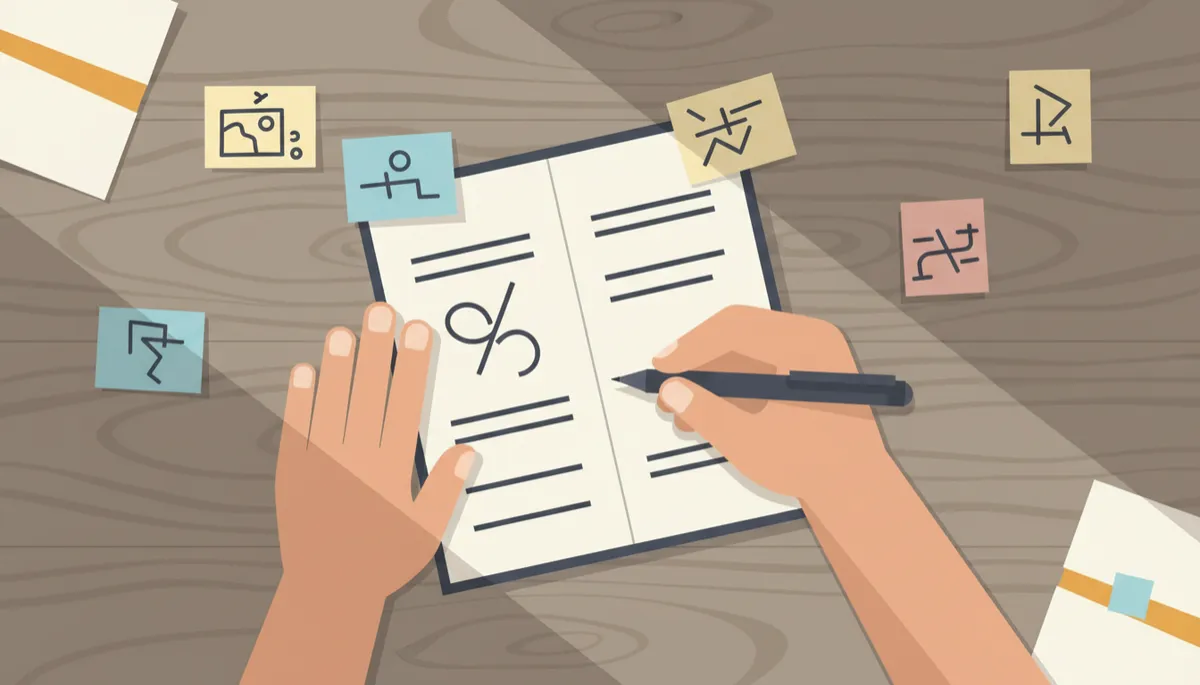
When you treat resentment as data, you gain the power to rewrite the next scene.
Your 24-Hour Resentment Challenge
Let’s make this practical. For the next 24 hours, treat yourself like both the star and the director of your life. Here’s your challenge:
Carry a simple note or open a doc. Title it “Resentment Scenes.”
Every time you feel even a flicker of resentment, jot down the scene: Where are you? Who’s involved? What was asked or expected?
At the end of the 24 hours, zoom out. Look for patterns. Where are the mismatches in values, needs, boundaries, or priorities? Then choose one concrete “next take” you’ll direct this week—a boundary to set, a conversation to have, or a commitment to change.
🎬 Ready for more behind-the-scenes insight? Dive into my full conversation with burnout expert Cait Donovan at DirectYourLifePodcast.com or on YouTube and keep rewriting the story before burnout writes it for you.
Directing a Life That Matches Your Values
Resentment isn’t proof that you’re ungrateful or broken. It’s proof that something important in you is still alive and paying attention. It’s the part of you that remembers the life you actually want to be living—and is willing to interrupt the scene to remind you.
When you start noticing your resentment scenes, finding the mismatches, and directing the next take, you move from reacting to directing. You stop treating burnout as an inevitable third act twist and start shaping a story where your energy, time, and talent line up with what matters most to you.
If you’re ready to keep building days that feel intentional instead of accidental, explore more tools at DirectYourDay, stay close to the conversation through my newsletter, and grab the bigger playbook at DirectYourLifeBook.com.


